


Your Body. Your Map. Your Awareness.
An Introduction to Vaginal Reflexology
There is a map most of us were never given. Not the kind found in a biology textbook, but a felt map. One that connects the body to emotion, the physical to the personal. Vaginal reflexology offers exactly that: a way of understanding the vaginal canal as a landscape of connected zones, each one linked to a different emotional and energetic quality.
This isn’t a clinical treatment, and it isn’t therapy. It’s an educational practice rooted in body awareness, self-care, and emotional wellbeing. Think of it as a gentle invitation to get curious about your own body, rather than a diagnosis or a fix.
Body awareness begins with noticing sensations, emotions, and changes in your body with curiosity and care.
The Emotional Reflex Map
Working from the cervix down to the vaginal opening, five distinct zones each correspond to a different emotional theme.
- Heart & Lungs – Located around the cervix, this zone represents love, connection, and breath. When this area feels closed or guarded, it can show up as sadness, grief, or a low mood that’s difficult to name.
- Spleen & Pancreas – Sitting just below the cervix, this zone is connected to balance, confidence, and inner strength. Worry and guilt tend to settle here.
- Liver – Found mid-canal, this zone is associated with detox, flow, and patience. When this area feels stuck, anger and frustration often follow.
- Kidneys – Positioned lower in the canal, this zone is linked to energy, vitality, and courage. Fear and anxiety are the emotions most commonly held here.
- Vaginal Opening – At the entrance, this zone represents safety, grounding, and simply being. This is often where shame, disconnection, or fear first make themselves known.
Why This Matters
Most of us are taught to separate the physical from the emotional, as though the body is one thing and feelings are another entirely unrelated system. Vaginal reflexology works from a different premise: that the body holds emotional information and that awareness of this can be a genuine form of self-care.
This isn’t about replacing medical advice or professional support. It’s about adding another layer of understanding—one that helps you know your normal, notice what has shifted, and approach your own body with curiosity instead of avoidance.
Making Body Awareness Practical
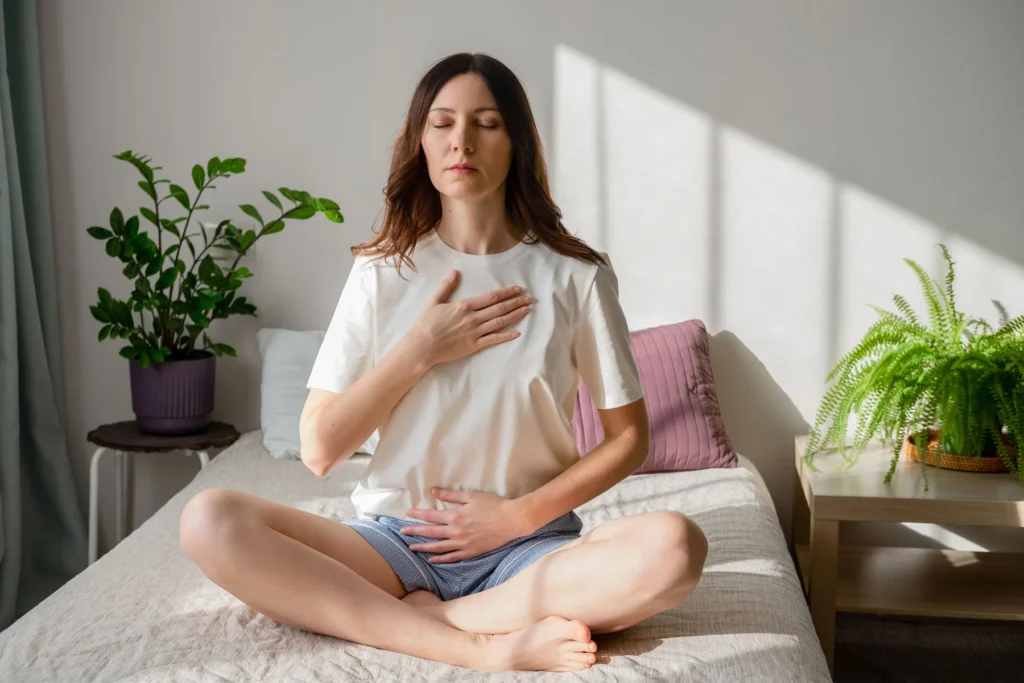
A simple body-awareness practice can take less than five minutes. Sit comfortably, soften your gaze, and notice your breathing without trying to change it. Then scan from your shoulders to your pelvis and name one sensation, one emotion, and one need. You might need rest, movement, reassurance, or professional support. Writing these observations down can help you notice patterns over time and speak more clearly with a qualified practitioner. Always pause if an exercise feels overwhelming, and seek medical advice for new, persistent, or worrying symptoms. Gentle attention is not a substitute for care; it is one way to build a kinder relationship with your body.
What Comes Next
This journal entry is the start of a wider conversation, exploring each of these zones in more depth, the practice behind vaginal reflexology, and the everyday ways body awareness can support emotional wellbeing.
If you’re new here, welcome. This is a space for learning, gentle honesty, and reconnecting with a part of the body that so rarely gets spoken about with this kind of care.
To book in for a free discovery call click here
Vaginal reflexology is an educational practice for body awareness, self-care, and emotional wellbeing. Pelvic energy supports grounded body awareness in everyday life, while pelvic energy practices can complement gentle self-care and help you reflect on pelvic energy without replacing medical advice.
Vaginal reflexology is an educational practice for body awareness, self-care, and emotional wellbeing.

